

Manufacturers are under growing pressure to reduce carbon emissions whilst simultaneously control rising energy costs. Whether driven by corporate net zero commitments, customer expectations, or evolving regulation, decarbonisation has become a strategic priority across energy-intensive industries.
For many manufacturers, that journey begins with a decarbonisation plan. The challenge is turning that plan into practical improvements that deliver measurable results on the factory floor. One of the most effective ways to achieve this is through industrial heat recovery, capturing energy that would otherwise be wasted, and putting it back to work.
What Is a Decarbonisation Plan?
A decarbonisation plan provides a structured roadmap for reducing a site’s carbon emissions over time. It identifies where energy is being consumed, where emissions are generated, and which projects will deliver the greatest impact.
For manufacturers, these plans are about far more than achieving net-zero targets. They help businesses reduce operating costs, improve energy resilience, while preparing for future legislation. They also demonstrate environmental responsibility to customers, investors, and stakeholders.
However, a plan is only valuable if it leads to implementation. Many manufacturers complete detailed energy audits and identify opportunities but struggle to move projects from the report into live production. Securing investment, prioritising projects, coordinating engineering, finding initiatives that don’t impact the bottom line, and installation can all slow progress, leaving significant savings undiscovered.
Building the Business Case for Industrial Heat Recovery
Among the opportunities identified in many decarbonisation plans, industrial heat recovery consistently offers one of the strongest business cases. Rather than requiring additional energy, it captures existing heat and redirects it back into manufacturing processes.
The US Department of Energy estimates that between 20% and 50% of industrial energy input is lost as waste heat through exhaust gases, cooling systems and hot process equipment. Recovering even a proportion of this energy can significantly reduce fuel consumption, lower carbon emissions and improve overall process efficiency.
The commercial benefits are equally compelling. McKinsey estimates that industrial heat recovery could generate more than €140 billion in global savings, while Process Energy’s own projects regularly demonstrate payback periods of between 18 months and three years. For manufacturers looking to deliver on their decarbonisation plans, industrial heat recovery provides a practical investment that reduces operating costs while supporting long-term sustainability objectives.
From Audit to Installation
A credible path to net zero needs an accurate assessment, sound engineering, disciplined installation, and honest measurement of results. Process Energy delivers all this in-house. Our industrial energy audits identify where heat is being lost and quantify the savings available. Our decarbonisation projects then carry that data straight through to design and installation.
Paper savings and delivered savings are rarely the same number. A system that looks good on a spreadsheet has to be robust enough to survive the realities and pace of a live production schedule. Engineers who understand the equipment from the audit stage onward are far better placed to design something that actually performs once it’s running.
Industrial Heat Recovery for a Global Printer
One recent Process Energy project demonstrates how industrial heat recovery can move from concept to measurable results.
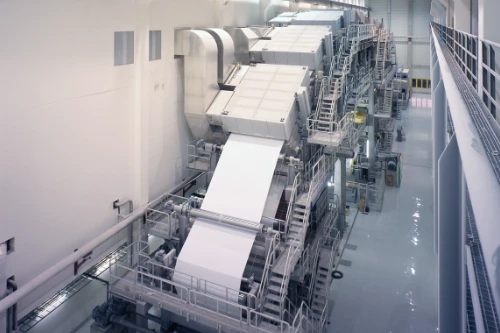
A global printer was in need of a bespoke heat recovery system, to combat their high energy spend. Our team delivered a multidimensional solution, creating a bespoke heat recovery system, as well as optimising their current processes.
After an initial assessment, identifying the holes in their systems, our experts created a bespoke plan of action for this plant. Their print dryers air balance was refined, as well as switching the heat source to an indirect thermal oil system. The number of fumes being sent to the oxidiser was reduced by 60% as a result, reducing operational costs. Furthermore, reducing the air volumes meant the solvent concentration was increased, enabling the thermal oxidiser to operate without support fuel.
The thermal oxidiser was identified as a source of excess heat. We ensured the heat was captured, through the installation of an indirect thermal oil heat recovery system. The thermal oil system was then used to heat the print dryers, delivering further savings.
The results speak for themselves:
- Cost Savings: £530,000 Per Year
- Energy Saving: 3,920,000 kWh/year
- ROI: Less than 2 years.
Moving From Plan to Delivery
A decarbonisation plan only creates value once projects are delivered and operating successfully. Industrial heat recovery gives manufacturers an opportunity to reduce fuel consumption, lower carbon emissions, and improve process efficiency using energy that would otherwise be wasted.
Whether you’re at the beginning of your decarbonisation journey or looking to turn an existing roadmap into live projects, Process Energy provides the engineering expertise to deliver a decarbonsation plan that delivers.
Book your free factory visit today to discover where your site could save.