

Optimise Energy Performance in Paint and Coatings Manufacturing
Keep Your Paint and Coatings Processes Running Efficiently
Paint and coatings manufacturing is a highly energy-intensive sector, relying on processes such as mixing, grinding, dispersion, and curing all of which can place significant demands on your operations.
With over 90 years of industrial energy expertise, we work closely with paint and coatings manufacturers to optimise processes, reduce energy consumption, as well as improve safety, and support long-term sustainability goals.
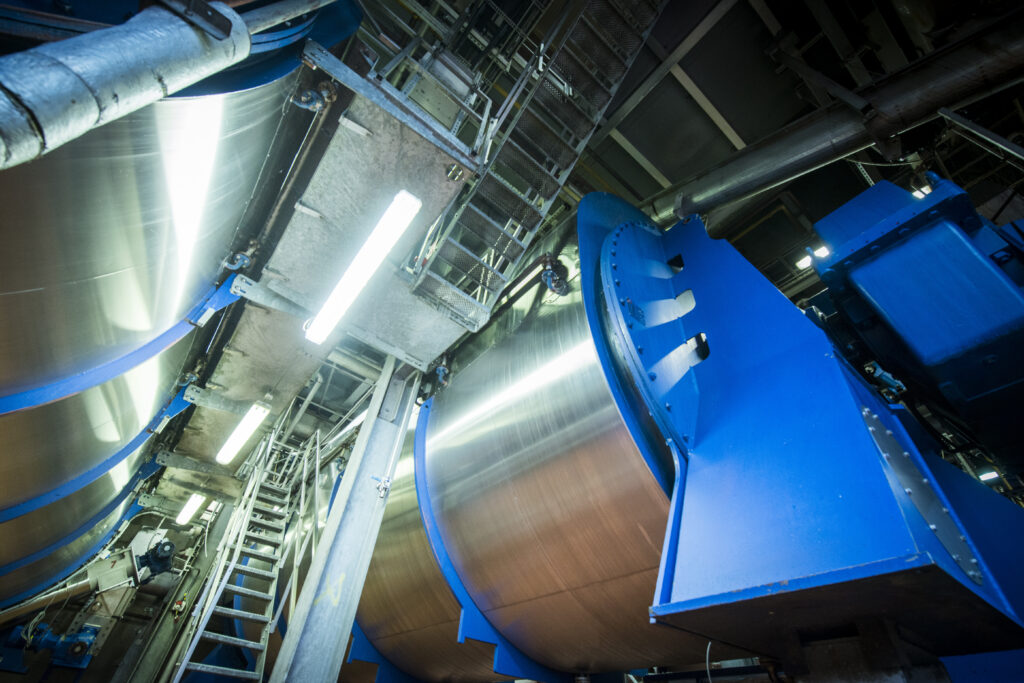
Process Energy Optimisation
Energy consumed in paint and coatings manufacturing is concentrated in thermal and process systems such as:
- Drying and curing ovens
- Reactors and mixing vessels
- Solvent recovery systems
- Ventilation and extraction systems
- Thermal oxidisers (RTOs)
- Heating and cooling circuits.
Even small inefficiencies can drive up energy costs and reduce production efficiency.
We pinpoint energy waste and underperforming systems across your facility, then design and deliver a practical optimisation plan to drive real improvements.
Safer Operations. Enhanced Performance.
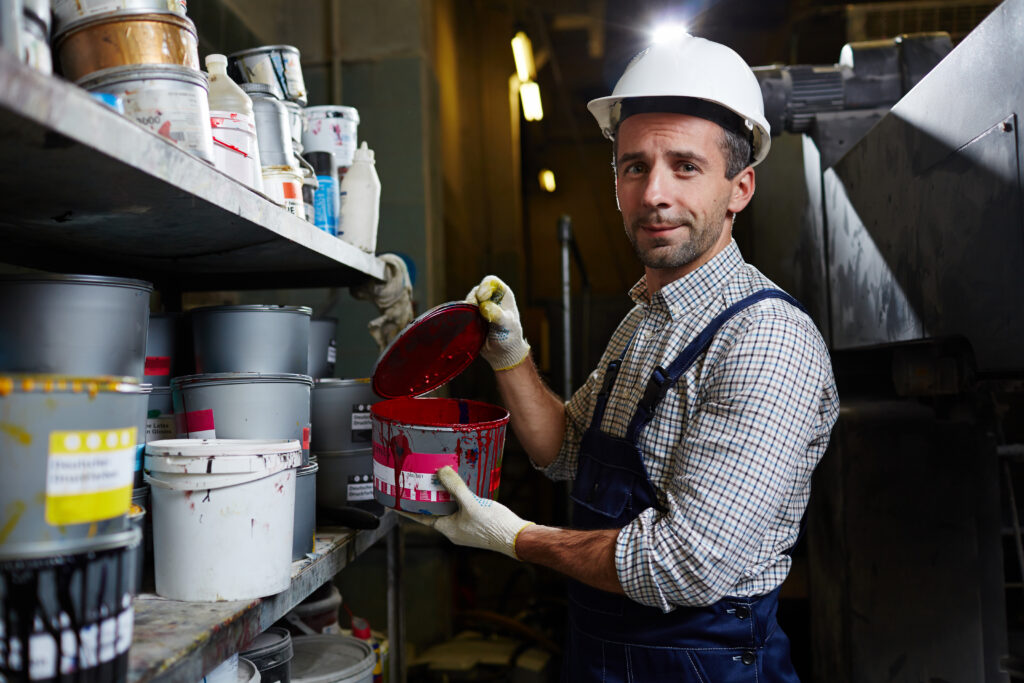
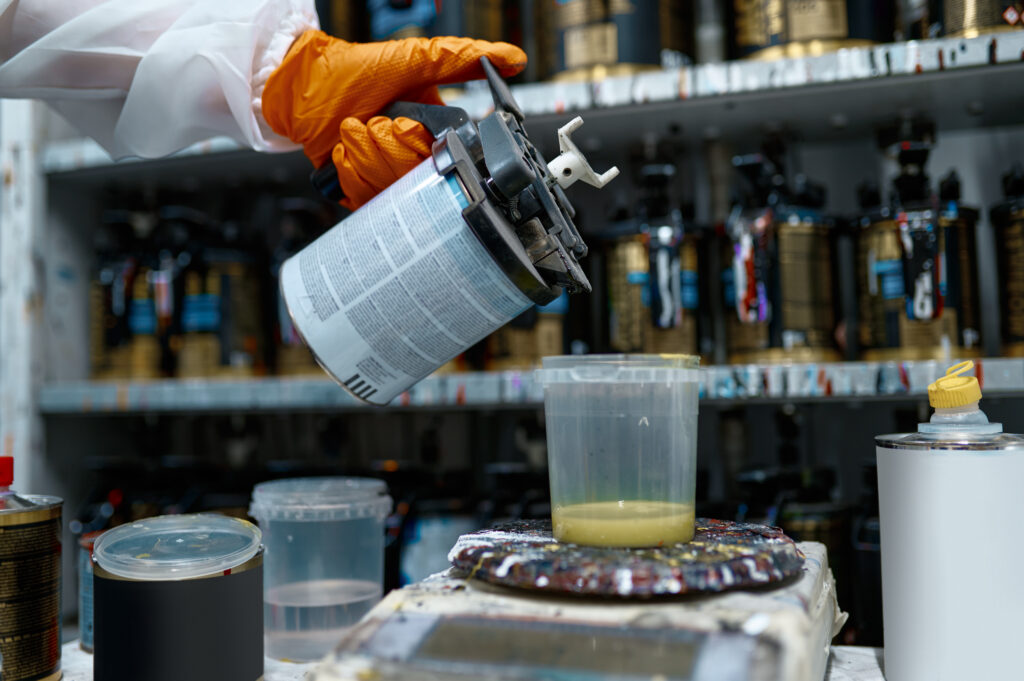
Safety is a critical concern in paint and coatings manufacturing, particularly where solvents, dust, and combustible atmospheres are present. Operational risks span from residue build-up in ducting and process equipment through to solvent vapour accumulation.
When left unchecked, these challenges don’t just increase safety hazards, they also reduce system effectiveness and drive up energy consumption. Maintaining precise temperature control, safe solvent handling, and efficient ventilation systems are essential aspects to staying compliant.
At Process Energy, we help identify hidden risks and performance issues before they become problems, supporting compliance while minimising downtime and protecting people, assets, and production.
Supporting Net Zero and Carbon Reduction Targets
Across Europe, many manufacturers are facing increasing pressure to control volatile organic compounds (VOC) and improve operational efficiency to reduce carbon emissions. Regulatory frameworks tied to carbon usage, solvent emissions, and industrial safety mean that inefficiencies are no longer just costly but are compliance risks.
That’s where we can support you. At Process Energy, we work alongside manufacturers to help reduce energy consumption and emissions. We also look to improve process efficiency and equipment performance, preparing your facility for regulatory compliance, reporting and identifying practical decarbonisation opportunities that support long-term net zero strategies. The focus is always on practical, plant-level improvements that deliver measurable reductions in energy use and emissions
Case Studies
Discover how we’ve helped facilities like yours stay compliant across their most demanding processes.
Frequently Asked Questions
What environmental regulations affect paint and coatings manufacturing in the UK and Europe?
Paint and coatings manufacturers must comply with regulations covering emissions, energy use, and solvent handling, particularly those related to volatile organic compounds (VOCs) and industrial energy efficiency. Facilities are increasingly required to monitor energy consumption and show clear pathways to carbon reduction. Key regulations include the Industrial Emissions Directive, Environmental Permitting Regulations 2016, European Climate Law and Corporate Sustainability Reporting Directive (CSRD) for larger organisations.
What are the key safety standards for paint and coatings manufacturing facilities?
Key safety standards and laws impacting paint and coatings manufacturers include Control of Substances Hazardous to Health (COSHH) in the UK and flammable control under regulations set out under ATEX and DSEAR.
Regular inspection of ducting, airflow, and process equipment helps prevent hazardous conditions while reducing operational risk.
How can paint and coatings manufacturers improve sustainability and reduce energy consumption?
Improving sustainability often starts with optimising manufacturing processes. Reducing heat demand, improving thermal efficiency, recovering waste heat, and maintaining equipment performance can significantly lower energy use and emissions while supporting long-term sustainability and net zero objectives. This can be combined with implementing hybrid or electric powered machinery to further lower carbon impact, especially when coupled with a renewable energy source.
What role does process control play in maintaining product quality in paint manufacturing?
Consistent process conditions, particularly temperature, airflow, and equipment performance, are critical to maintaining product quality and reducing waste. Monitoring thermal systems, ensuring efficient heat transfer, and identifying system restrictions help maintain stable production and improve overall operational efficiency.
Optimised Processes. Less Waste. Better Margins
Our process optimisation specialists understand the unique demands of paint and coatings manufacturing.
Schedule your discovery call.