

Identify wasted thermal energy, build a business case for investment, and implement heat recovery systems with support from concept through to installation.
Metal manufacturing carries some of the highest energy costs across UK industry. Every hour your process lines run, thermal energy is lost through coating lines, thermal oxidisers, drying systems, and exhaust stacks.
Process Energy works with manufacturers to identify where that energy is going and recover it. Our engineers deliver complete projects from thermal assessment through to design, procurement, and installation.
Our assessments quantify opportunity clearly, helping engineering and operations teams understand where savings can be achieved and how quickly projects can pay back.
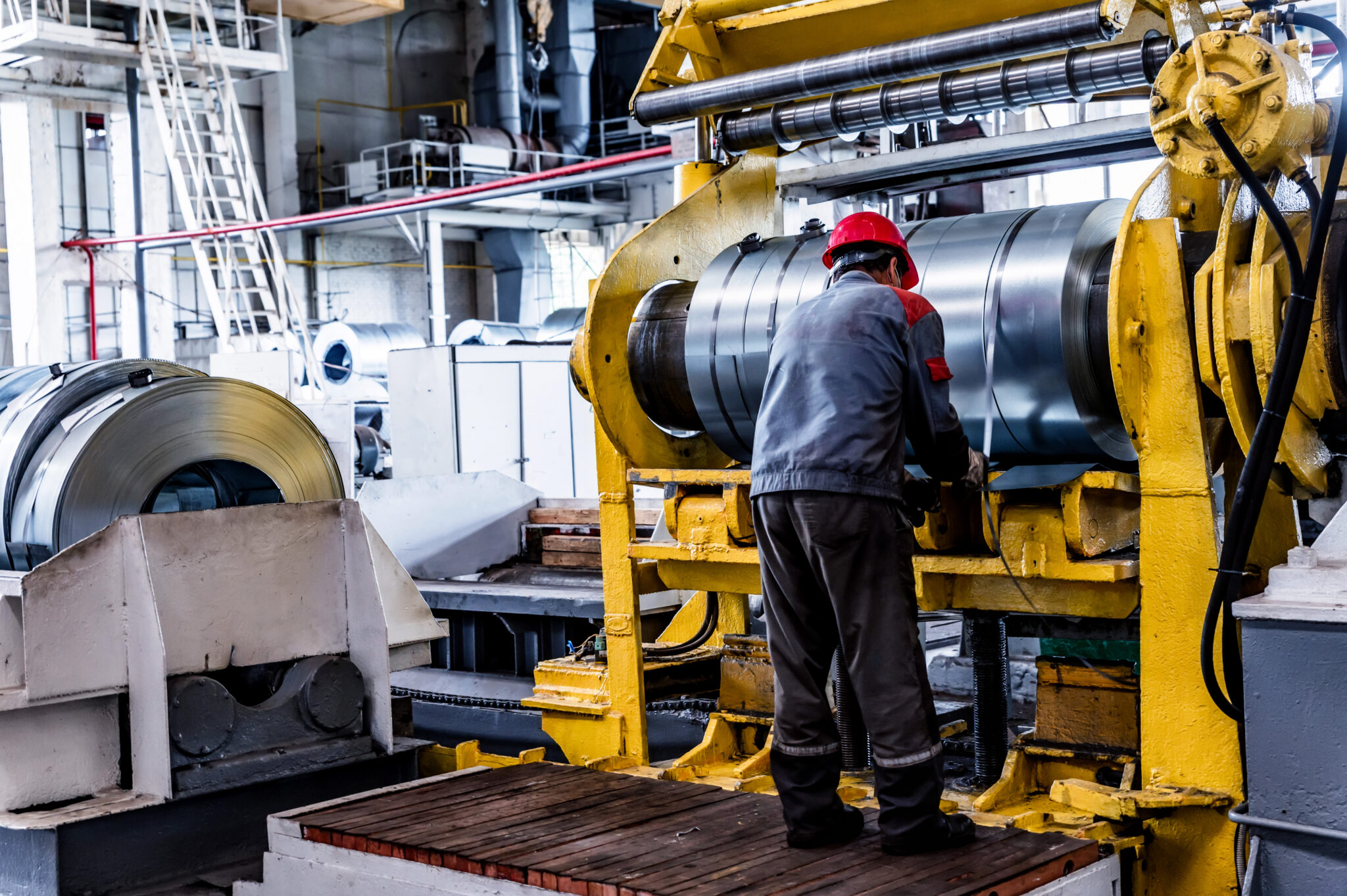
Our expert team deliver a range of solutions for metal manufacturers to prevent energy waste such as:
For over 90 years, we’ve helped manufacturers optimise industrial thermal processes. In metal manufacturing, that means understanding how your process lines work together, rather than assessing individual assets in isolation. We provide the technical data and financial justification needed to support internal investment decisions.
Our work covers the full project lifecycle:
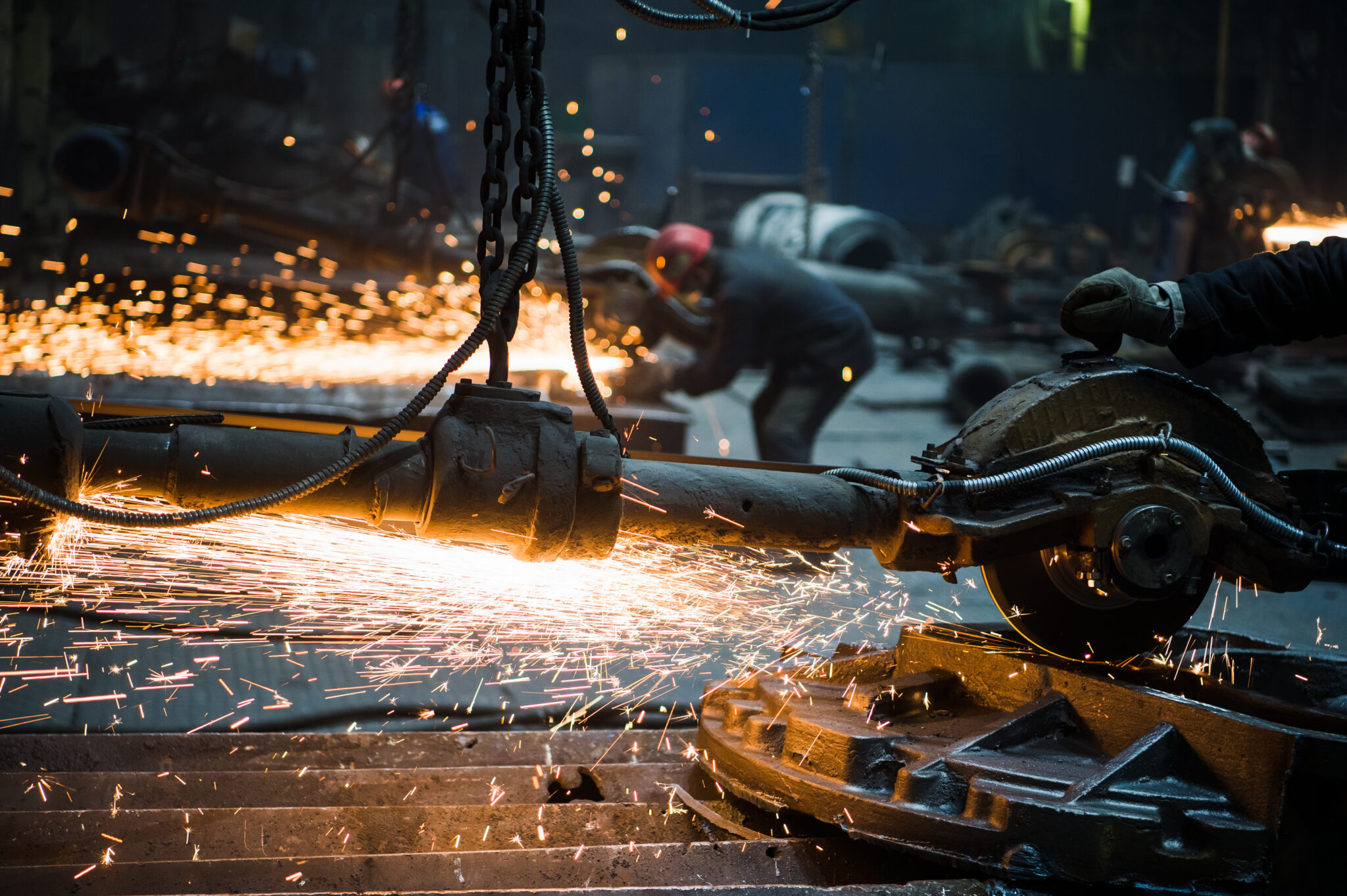
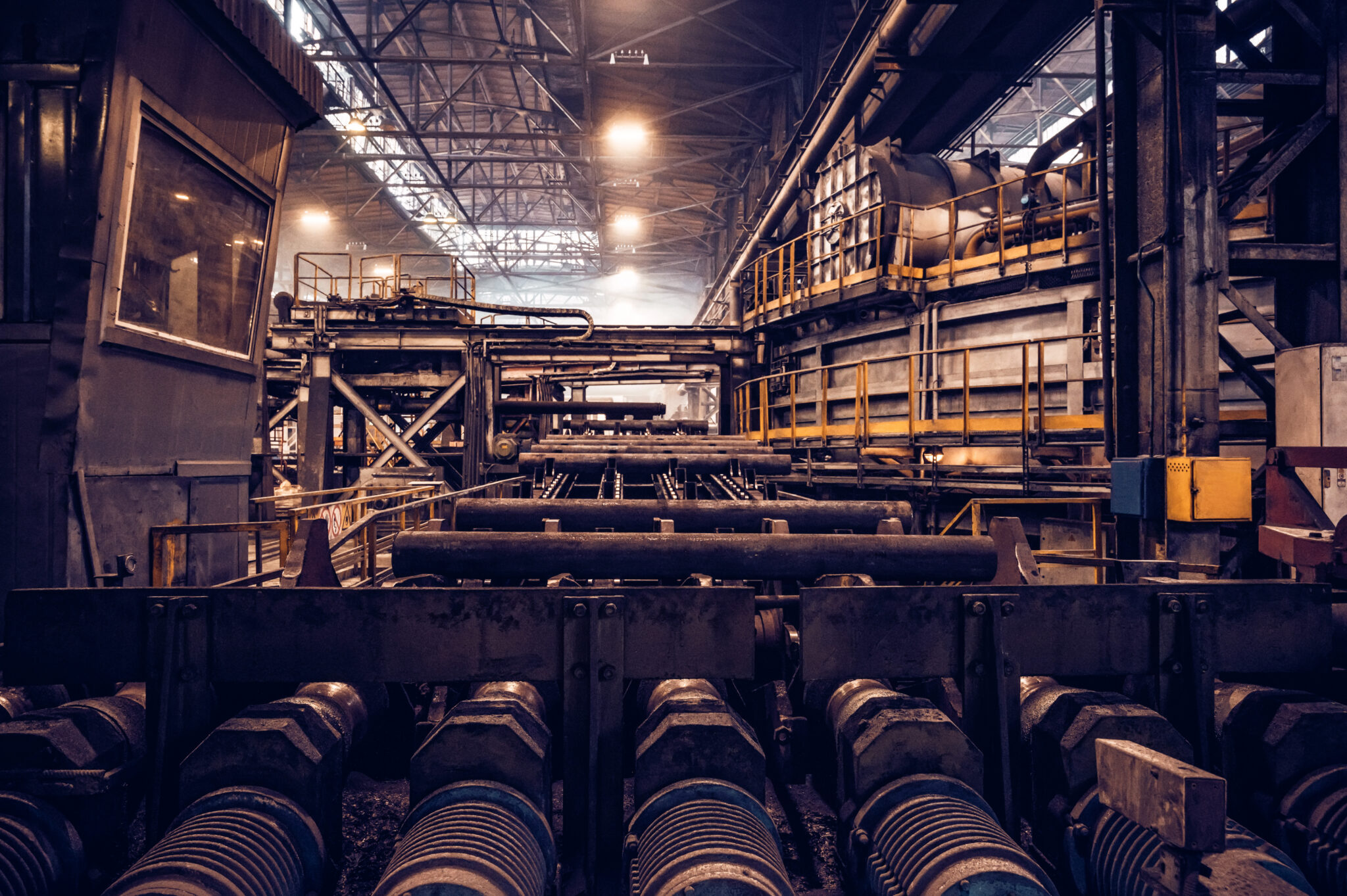
The highest-impact opportunities in this sector consistently come from three areas:
Process drying: Drying systems running at elevated temperatures often exhaust recoverable heat at significant volume. Small improvements to heat recirculation or exhaust capture can generate material cost reductions.
Thermal oxidisers: RTOs and catalytic oxidisers are significant energy consumers. Heat recovery systems for a thermal oxidiser exhaust is one of the fastest-payback projects in metal manufacturing.
Surface coating lines: Coil coating and thin-film coating processes involve heating and cooling cycles. We assess where thermal energy can be reclaimed and reused within the same line.
Every manufacturing process is different. Our team can assess your factory, identify recoverable waste heat, and provide clear recommendations backed by real operational data.
Book a call with a Process Energy engineer.
The most effective systems for metal manufacturing are usually hot water recovery from high-temperature exhaust, primary and secondary heat recovery on flue gas, and heat pumps for low-grade heat. Which combination suits your site depends on your processes and available waste heat sources, which is what Process Energy assesses during a site visit.
Industrial waste heat recovery helps steel manufacturers reduce energy consumption, lower carbon emissions, and cut operating costs. Rather than allowing valuable thermal energy to be lost through exhaust systems, recovered heat can be reused to support other processes across the production site. This reduces dependence on natural gas and other carbon-intensive energy sources while improving overall site efficiency. Waste heat recovery can also reduce reliance on ageing steam systems, creating additional savings through lower maintenance and operational requirements.
In metal manufacturing, recoverable waste heat is typically generated anywhere high temperatures are used and then exhausted or cooled as part of the process. On coating lines, we also check solvent monitoring systems and exhaust air volumes, as these directly affect how much gas a thermal oxidiser needs to treat the exhaust stream.
At Process Energy, we focus on mapping these hidden heat streams across a site, particularly high-temperature exhaust air and flue gas systems. We engineer recovery solutions that reuse that energy for process heating, hot water, or steam replacement.
Heat recovery improves energy efficiency by capturing waste heat from manufacturing processes and reusing it elsewhere on site. Rather than allowing thermal energy to be exhausted to atmosphere, it can be recovered and used for hot water, process heating or other energy demands. Where lower-grade heat is available, heat pumps can be used to increase the temperature and create additional usable energy. This reduces reliance on primary fuel sources and helps manufacturers get more value from the energy they already consume.