

Spinning, weaving, dyeing, and finishing are among the most energy-intensive processes in UK textile manufacturing. Energy typically accounts for 15–20% of your production costs, and with fossil fuel prices volatile and carbon regulations tightening, that number isn’t going down on its own.
Textiles and non-woven manufacturers are facing pressure from multiple directions: ESOS and SECR compliance deadlines, net zero commitments from the brands and retailers you supply, and a cost base that makes every percentage point count.
Process Energy works directly with your engineering team, from initial assessment through to full design, installation, and commissioning. We’re experts in delivering solutions that cut both your bills and your carbon footprint, with measurable results.
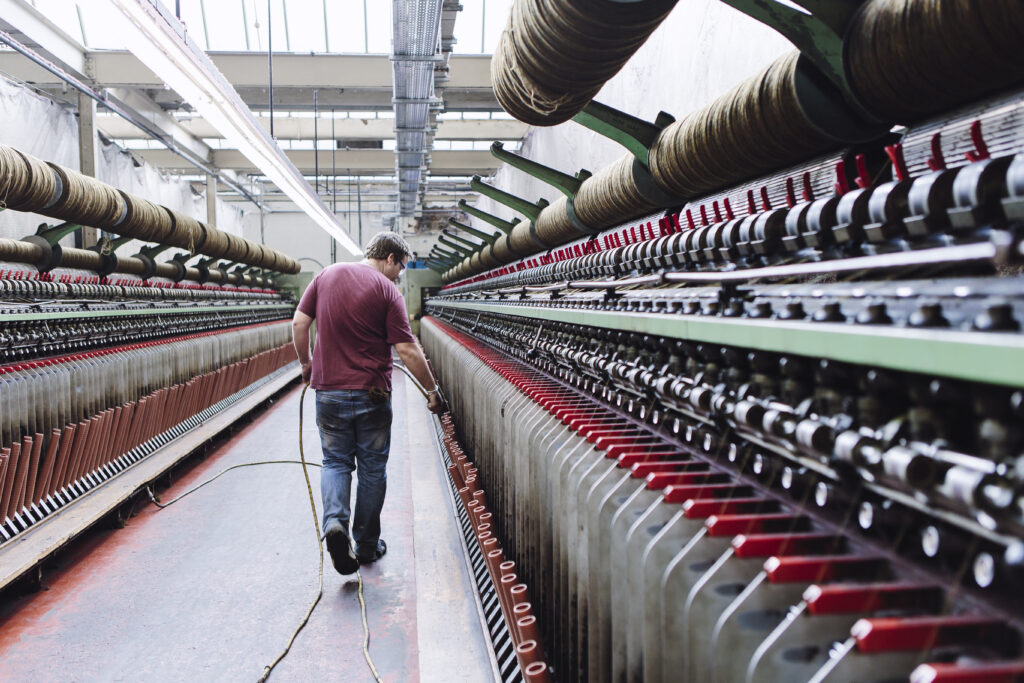
Energy costs in textile and non-woven manufacturing are significant, but in most facilities, a large portion of that spend is avoidable.
Process Energy’s engineers visit your site and carry out a detailed, hands-on assessment of where energy is actually going. We map consumption and waste heat across every major process, stenter ovens, dye baths, process dryers and steam systems, building a precise picture of where inefficiencies are costing you money.
We work directly with your engineering team throughout, so nothing gets missed and every recommendation is grounded in the reality of your operation. The result is a clear, prioritised report that shows exactly where to act, what it will save, and what return you can expect.
Once opportunities are identified, our in-house engineers take full ownership of the project, designing, building, and installing the solution from start to finish. Whether that’s a heat recovery system on your stenter oven, or a steam system upgrade, we handle the contracting and installation, so you don’t need to co-ordinate multiple suppliers.
The following processes represent the highest energy consumption in textile and non-woven manufacturing, and therefore the greatest opportunity for cost savings and carbon reduction.
Dye baths: heat recovery from effluent and process water, returning significant waste heat back into your process
Stenter ovens: flue gas heat recovery and process optimisation, reducing one of your highest-consumption thermal process
Process dryers: heat reduction and waste heat capture, our non-woven floatation dryer project delivered £165,000 in savings per year
Steam boilers and hot water systems: making efficiency improvements and helping you on your decarbonisation pathway, our projects regularly achieve an ROI of under 2 years
Moving away from gas is the defining challenge for the textile manufacturing sector on the path to net zero – especially in the UK, where the cost gap between gas and electricity complicates fuel switching.
Process Energy delivers solutions including waste heat pumps and hydrogen-ready systems, reducing Scope 1 emissions while protecting cost efficiency.
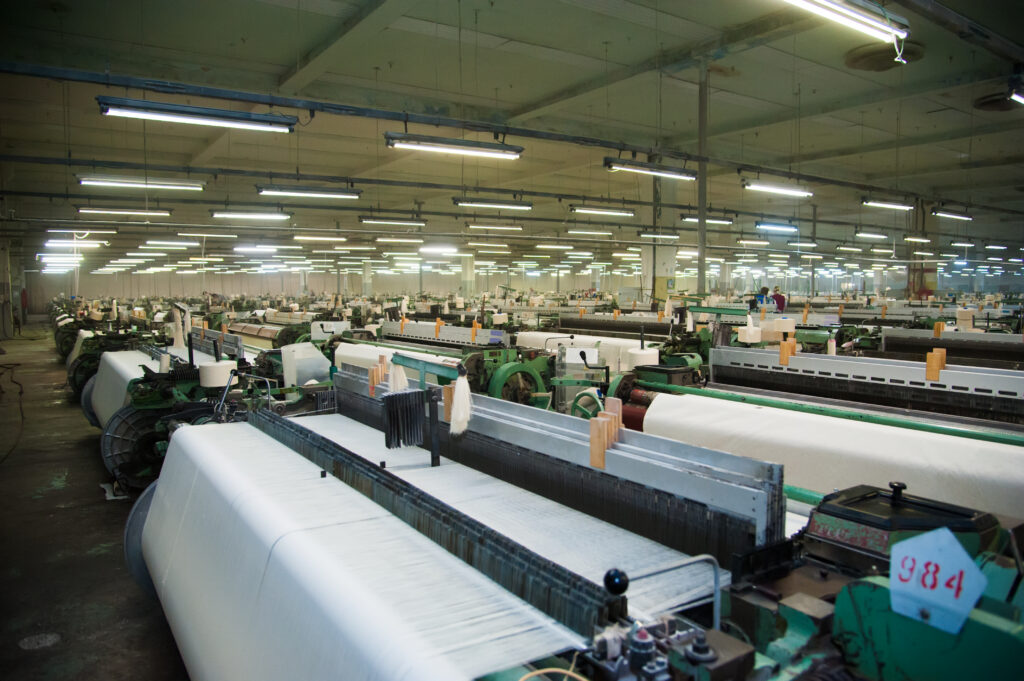
Discover how we’ve helped facilities like yours uncover hidden energy savings across their most demanding processes. Explore our case studies to see where inefficiencies were reduced, performance was optimised, and real, measurable cost savings were achieved.
Dyeing and finishing processes typically account for the largest share of thermal energy use in textile manufacturing, with significant waste heat lost from dye bath effluent and stenter oven flue gases. Steam system inefficiencies, ageing boilers, and uninsulated pipework are other common sources of avoidable cost.
Savings vary depending on the size of your facility and the processes involved, but our projects regularly deliver six-figure annual cost reductions with a return on investment of under two years. Our non-woven case study achieved £165,000 in savings per year from a single floatation dryer project.
Yes. We work across the full range of textile and non-woven manufacturers, from large integrated mills to smaller converting operations. Our starting point is always a site audit where we identify what’s realistic and viable for your specific setup before recommending any solution. From there, we handle all design and installation work in-house, you get one point of contact from initial assessment through to a commissioned, working system.
Find out exactly where energy is being wasted in your textile processes and how much your site could save. From assessment through to full installation, Process Energy manages the entire project, so you see real savings!