

Process Optimisation in Print Manufacturing
Heat Recovery and Thermal Oxidiser Systems for Print Manufacturers
Press rooms and drying systems run continuously, and on solvent-based lines, that means high gas demand and an ongoing compliance load most sites underestimate. If your RTO is running below its efficiency point, or your solvent monitoring hasn’t kept pace with your throughput, there’s usually meaningful savings sitting untouched.
Printing environments depend on energy-intensive press operations, drying systems, and finishing processes that run continuously, driving high levels of consumption.
The message is clear: every unit of energy used has a direct and growing impact on the bottom line.
Solvent Monitoring and Control
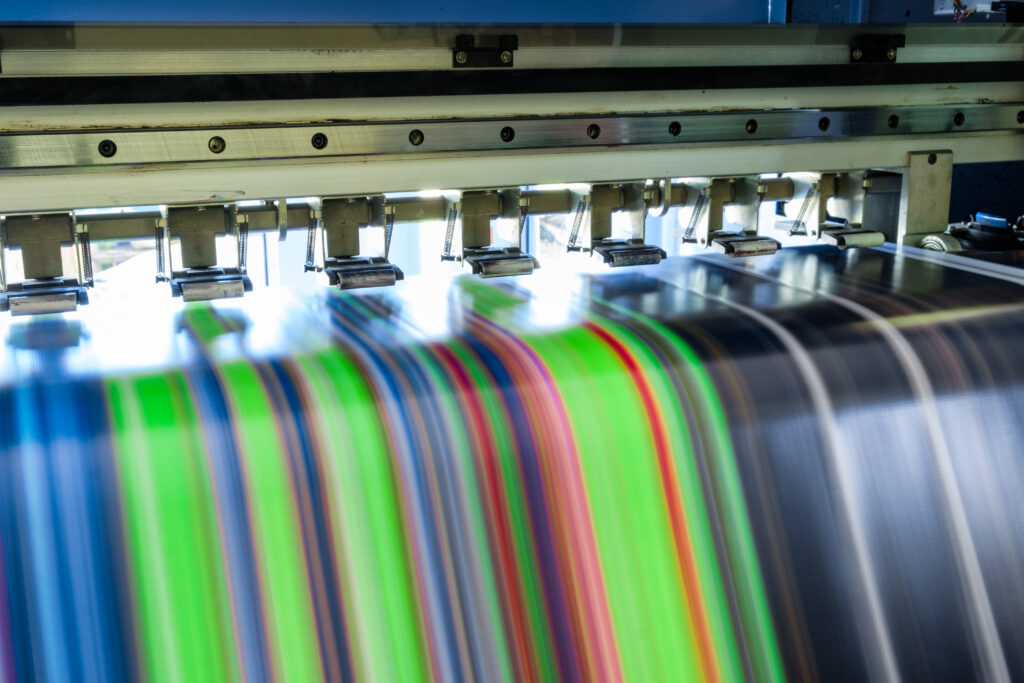
When we look at a print facility’s solvent usage, we’re checking its impact on drying systems and thermal oxidisers as much as the solvent itself. Excess solvent use often goes unnoticed without proper monitoring in place, driving up both material costs and the energy needed for evaporation and treatment.
We install LEL solvent monitoring systems that give you clear, real-time visibility of usage across your process, helping you spot risk areas before they become compliance issues.
The result is lower material costs, reduced load on your drying systems and thermal oxidisers, and full compliance with environmental regulations, all built into a system you own outright, not a report you file away.
Full Service: From Design to Install
We work alongside your engineering team to understand exactly where energy is being lost across your key processes, from press rooms and drying systems through to compressed air, ink-drying systems, and climate control.
From there, we design, build, and commission the systems that fix it, in-house, from first concept through to final installation. You get a clear plan ranked by savings and payback, then a team that actually builds it, not a report that sits on a shelf.
Frequently Asked Questions
What are the key benefits of upgrading to energy-efficient printing equipment?
Upgrading to energy-efficient printing equipment delivers both immediate and long-term benefits for your operation. Modern presses and drying systems use less energy per job, helping to significantly reduce operating costs. They also improve overall efficiency, with faster start-up times, better process control, and less material waste keeping production running smoothly.
Lower energy consumption directly reduces your carbon footprint, supporting sustainability targets and strengthening your environmental credentials. At the same time, newer equipment offers greater reliability, minimising downtime and ensuring more consistent performance.
Ultimately, investing in energy-efficient technology helps future-proof your operation, keeping you compliant, competitive, and better positioned for a more sustainability-driven market.
How much of my energy bill is down to the press room vs. the rest of the factory?
Press operation and ink drying typically account for the largest share of energy use, but compressed air, HVAC, and ancillary equipment are often bigger drains than people realise. In many print factories, compressed air alone accounts for a significant portion of total electricity consumption, and leaks and system inefficiencies mean a large proportion of that energy is wasted before it even reaches the press. Our on-site survey measures energy consumption across every part of your facility so you can see exactly where energy is wasted.
We've already upgraded our presses, is there still meaningful savings to find?
Almost always, yes. New press technology improves efficiency at the machine level, but compressed air systems, drive motors, drying and curing, and building services are frequently overlooked. These are often where the remaining savings lie, and they’re rarely addressed as part of a press upgrade.
Can energy improvements help us meet sustainability requirements?
Yes, and this is becoming increasingly urgent. Major print buyers are applying pressure on suppliers to report and reduce their Scope 3 emissions, which includes the energy used in their supply chain. Reducing your energy consumption and carbon output isn’t just a cost play; it strengthens your position with environmentally conscious clients and helps meet requirements under key frameworks.
How much can a commercial printer realistically save?
It varies depending on your size and which processes are addressed. Across our client base, businesses have achieved savings ranging from £100,000 to over £500,000 per year, typically with a return on investment of under two years.
Ensure Your Factory is Safe and Compliant
Achieve total visibility over your site’s safety. Our precision solvent monitoring ensures you stay fully compliant while protecting your team and your throughput. Book a FREE factory visit, where one of our experts will walk your site and discuss your equipment – with no obligation.