

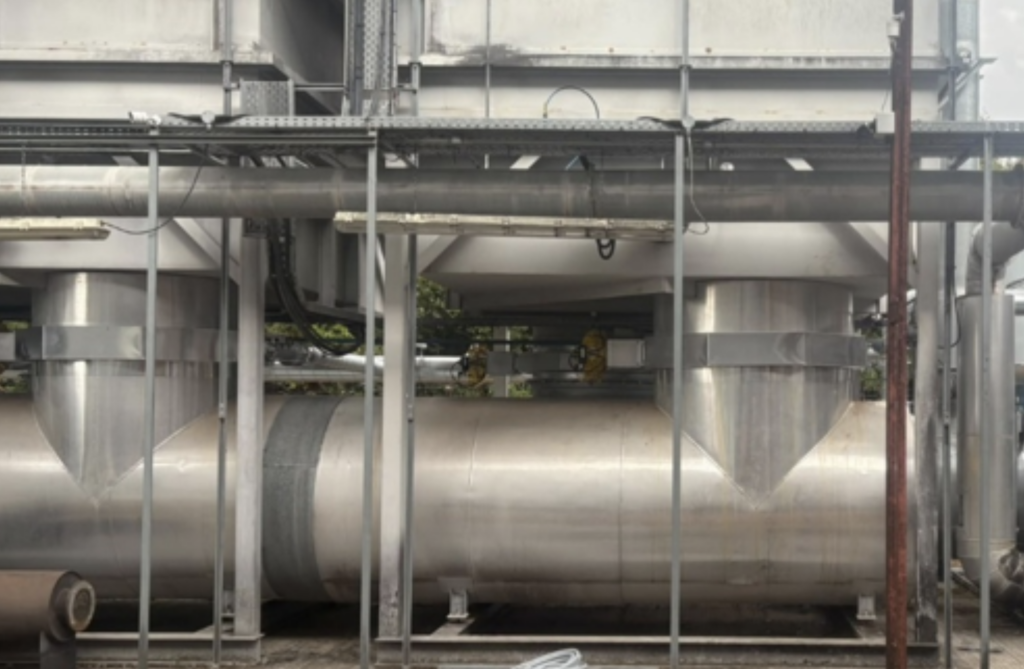
The Results…
Industry: Food Packaging Manufacturing
Process: Regenerative Thermal Oxidiser (RTO) Performance Optimisation
Emissions Level: Below 10 mg/Nm³ (legal limit 20 mg/Nm³)
Compliance: Meets the IED & UK BAT conclusion limit ahead of the December 2026 deadline
Installation: Completed in a two-week shutdown, on time and on budget
The Emission Compliance Challenge
A leading printer of flexible food packaging was faced with a growing compliance challenge due to an underperforming RTO system.
Many manufacturing processes such as the printing of flexible packaging or surface coating of steel for white goods rely on organic solvents. The volatile organic compounds (VOCs) contained in these coatings must be destroyed before the exhaust air is discharged through an abatement system.
In this case, the manufacturer was operating a 20-year-old Regenerative Thermal Oxidiser (RTO) that was designed with the previous 50 mg/Nm3 limit in mind. But the goalposts changed, with the UK setting the limit under the Best Available Techniques (BAT). For surface treatment using organic solvents, the BAT conclusions set a total VOC limit of 20 mg/Nm³ for thermal oxidisers to be met by December 2026.
At 20 years old, this unit was approaching the point where replacement might be considered. But replacing an RTO requires significant capital investment with long complex process. Therefore, the client sought an alternative option; one that would prioritise refurbishment over replacement, and bring the existing RTO into compliance quickly.
The Brief
The expertise at Process Energy was requested to address this mismatch in current performance and required compliance. The client was looking for a specialist partner to assess the RTO, recommend a plan of action and see it through to installation. As the RTO had been designed to a 50 mg/Nm³ emission limit, it now needed to be optimised to fit within the 20 mg/Nm³ limit set out in the Industrial Emissions Directive’s (IED) and the Best Available Techniques (BAT) conclusions before the final deadline of December 2026.
The site needed a reliable route to compliance without replacing the whole oxidiser.
Process Investigation
As a first step, our engineers visited the factory to understand the manufacturer’s processes and uncover where excess emissions were coming from.
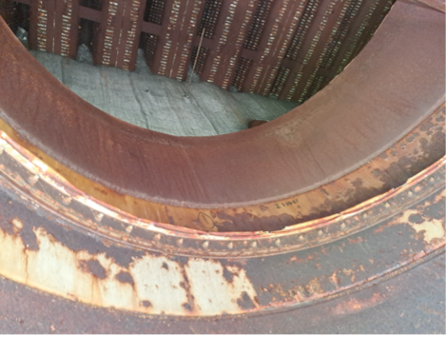
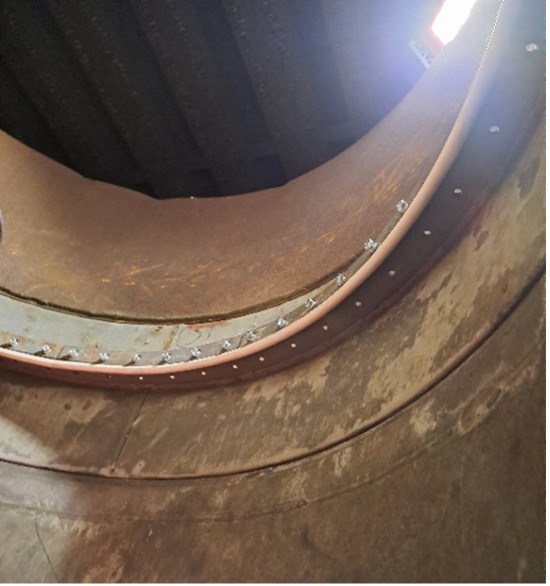
Our investigation found two root causes: worn damper seals and damper blades that had thermally distorted over years of operation. Leakage past the dampers let untreated air bypass the oxidiser and reach the stack.
| Risk Level | Area | Issue | Consequence |
| High | Process dampers | Blades thermally distorted after 20 years of hot cycling | Untreated air leaks past closed dampers, raising stack emissions |
| Medium | Damper seals | Seals worn and degraded | Further leakage; seal renewal alone could not close the gap |
| Medium | Damper design | Single-blade dampers with no purged space between blades | No second barrier to stop leakage, so distortion would reoccur |
The Solution
Process Energy took a staged approach, testing each fix before recommending the next investment.
Stage 1: Seal renewal and re-test – The damper seals were renewed first. Emission levels improved, but not enough to meet the new 20 mg/Nm³ limit.
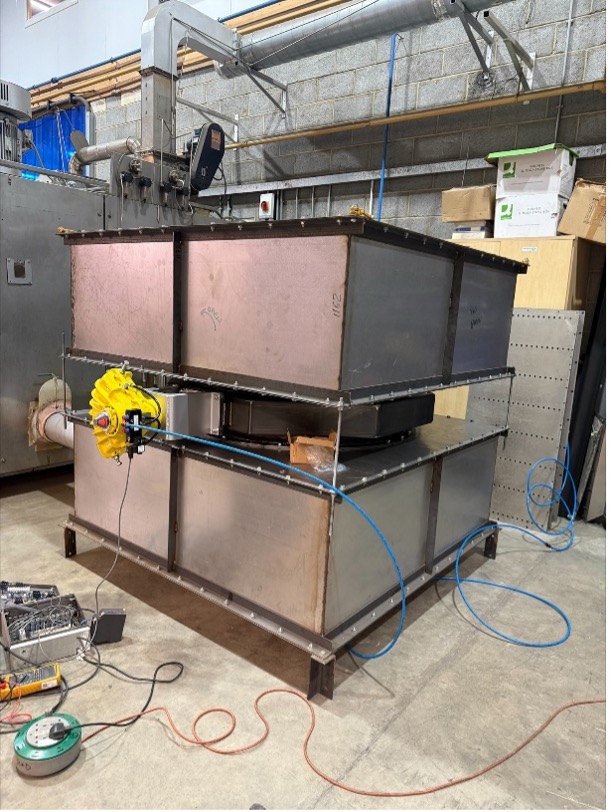
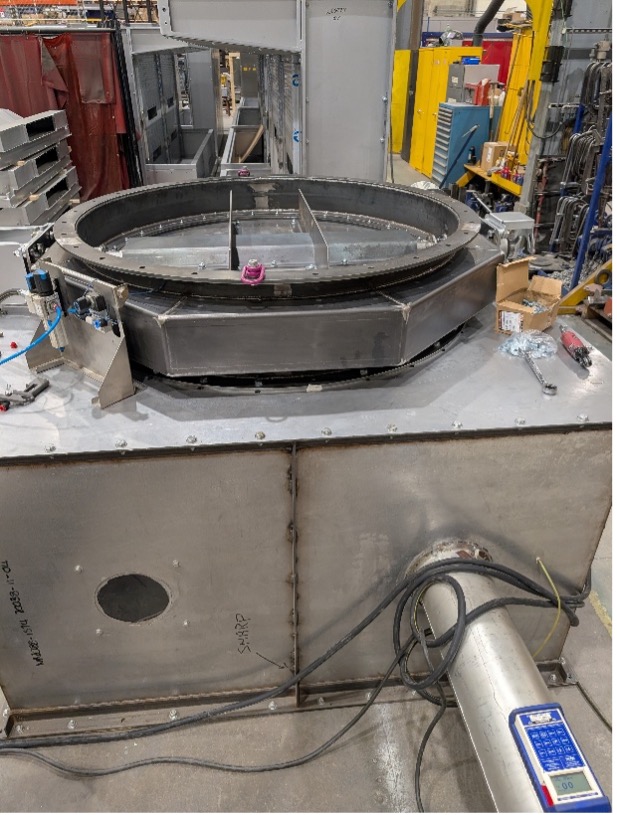
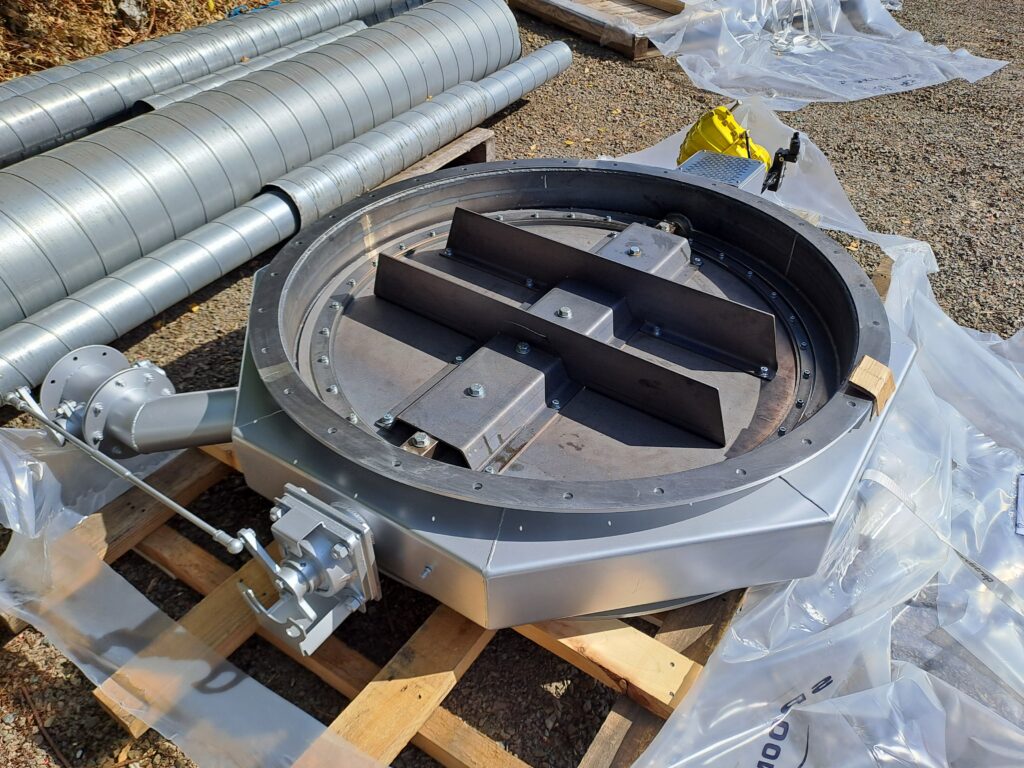
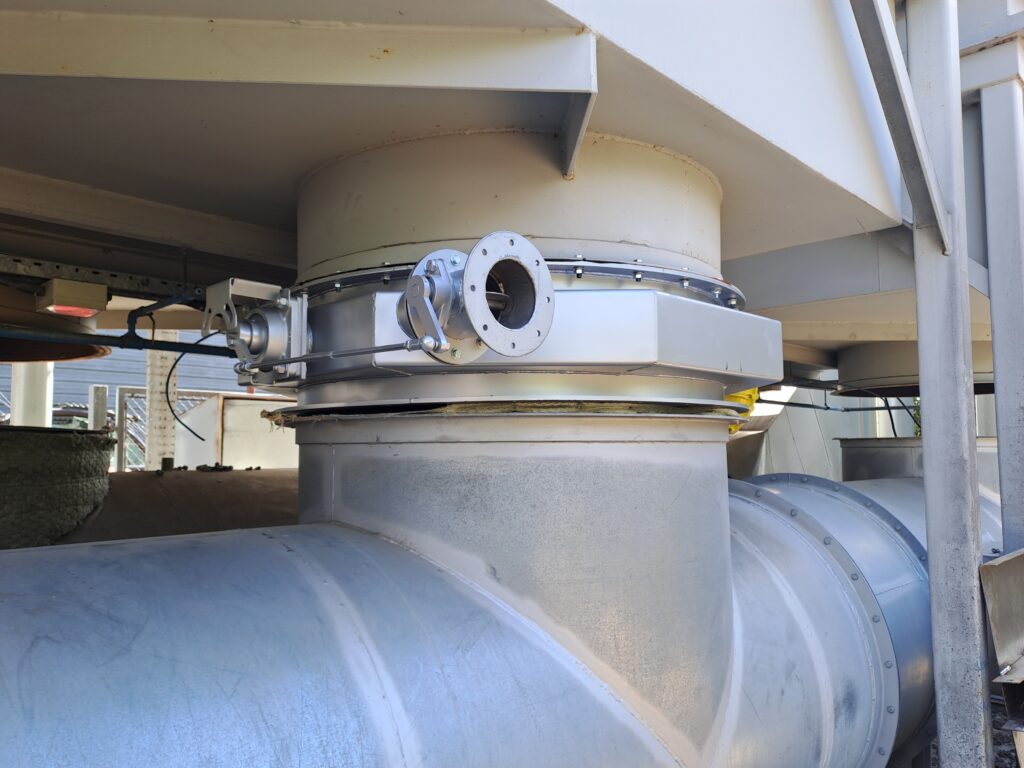
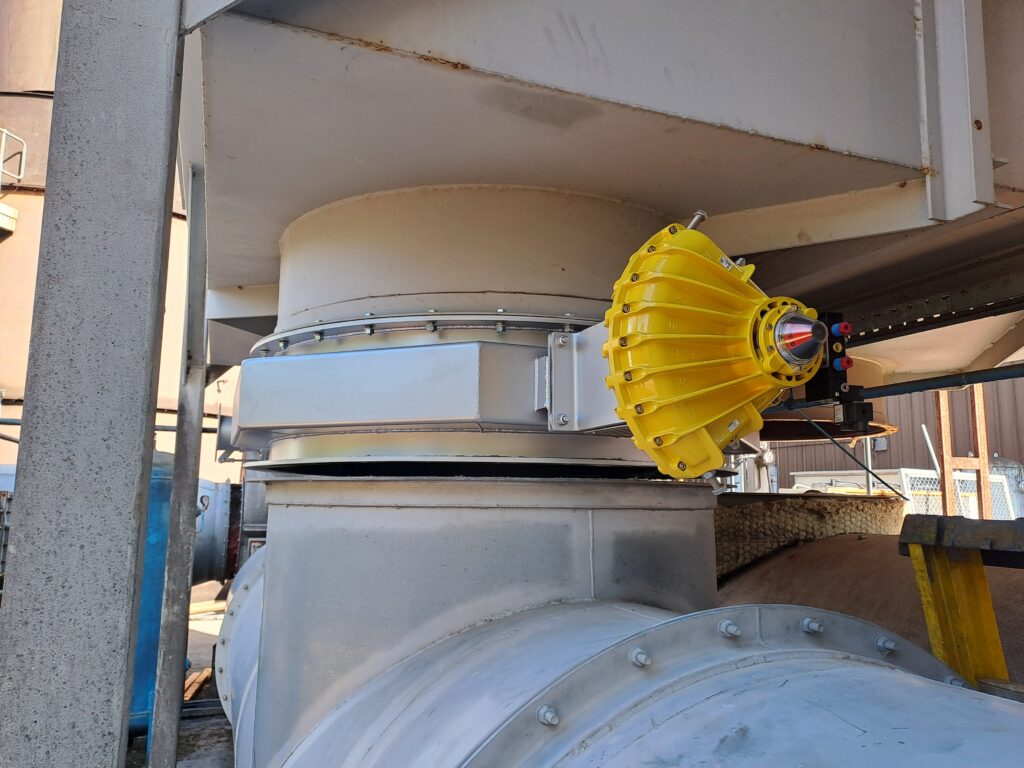
Stage 2: Robust twin blade process dampers – We recommended replacing the original dampers with more robust units to prevent future distortion. Each new damper has twin blades and seals, with the ability to apply a purge air system to vent the space between the blades.
The new dampers were designed and manufactured in the UK, and each was hot-tested under process conditions and pressure-tested for leakage before leaving the factory.
Upgrading RTO Dampers
To limit disruption to the factory, the replacement dampers needed to be installed efficiently and fit within the client’s production schedule. Working with the client, we chose to install during a planned two-week shutdown to limit revenue impact. Our engineers expertly managed the installation, which encompassed:
- Removing and replacing dampers
- Replacing and rewiring the position transducers
- A complete purge fan system installed
- Thorough service of the RTO and burners
Following commissioning, the RTO was left for a few weeks to settle before a detailed emission test was carried out. The results were impressive; the final discharge emissions were well below 10 mg/Nm3 and met the legal requirement by a considerable margin.
Robust Emission Compliance
By diagnosing the real cause of excess emissions, Process Energy extended the life of a 20-year-old RTO rather than replacing it. The twin blade dampers and purge air system guard against future distortion, so compliance is built in for the foreseeable future.
Faced with an emission compliance deadline? Speak to us today.