

Rising energy costs, increasing stakeholder pressure, and growing productivity demands are pushing manufacturers to rethink how their operations perform. At the centre of it all is your machinery, driving output, influencing costs, and ultimately shaping profitability.
But performance today isn’t just about output. It’s about how efficiently that output is achieved.
Energy efficiency for manufacturing is now a critical driver of both cost reduction and carbon performance/environmental impact. Yet many facilities are operating with hidden inefficiencies, where the process is consuming more energy than necessary, and limiting overall performance.
At Process Energy, we work with manufacturers to uncover these inefficiencies and transform how energy is used across the entire site. Here are five of the most common reasons your machinery may be underperforming.
1. The Hidden Cost of Waste Heat
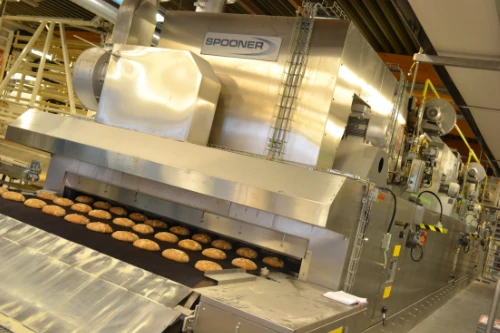
For many manufacturers, one of the biggest inefficiencies is also the least visible. Processes such as ovens, dryers, and thermal oxidisers generate large amounts of heat, much of which is simply vented into the atmosphere.
That’s energy you’ve already paid for, is consistently lost hour after hour.
By recovering and reusing this heat, manufacturers can significantly reduce energy consumption and become more resilient to rising costs.
This is where Process Energy makes a measurable difference.
We design and install bespoke heat recovery systems that capture waste heat at source and repurpose it across your facility. From exhaust gases to process heat, we ensure your machinery delivers maximum performance while every unit of energy works harder for your business.
2. Misaligned Systems Running at the Wrong Scale
Another common issue is a mismatch between your machinery and your actual operational needs.
Boilers, compressors, and dryers are often oversized, underutilised, or still configured for processes that have changed over time. Without clear data, it’s difficult to understand how much energy is truly required versus how much is actually being consumed, and the gap between the two quietly drives up costs.
Process Energy helps manufacturers close this gap. Through detailed energy assessments and system analysis, we identify where infrastructure is no longer fit for purpose. From optimisation to full system redesign, we ensure your equipment is aligned with real demand, improving efficiency and reducing waste.
3. Low-Grade Energy: A Missed Opportunity
Low-grade energy (heat below 100°C) is generated by a wide range of industrial equipment, including boilers, exhausts, ovens, and dryers. Due to its lower temperature, it’s frequently dismissed and wasted. But manufacturers can still harness it and put it to work.
Capturing low-grade heat can be a significant step forward in energy efficiency manufacturing. It can be used for space heating, pre-heating products, thermal storage, and even electricity generation.
Using advanced heat pump technology, we upgrade low-grade heat into usable energy that can be fed back into your processes. We turn overlooked energy into a valuable source.
4. Legacy Machinery Requiring Optimisation or Upgrading
Machinery doesn’t need to fail to become inefficient. Over time, wear and tear, outdated designs, and incremental performance loss all contribute to higher energy consumption.
While older equipment may still operate, it rarely does so efficiently.
Process Energy works with you to get the most from your assets.
We optimise existing systems to improve performance and extend lifespan, while also identifying where upgrades or replacements will deliver the greatest return. And when new equipment is required, we can present new system choices, source from a range of suppliers, and ensure it is properly integrated and optimised from day one.
5. The Efficiency Gap Between Systems
Even where individual processes are optimised, inefficiencies often exist across the wider site.
One system may be generating excess heat, while another is consuming energy to produce it. Without integration, this creates unnecessary energy demand and wasted opportunity.
This is where Process Energy’s system-level approach stands out.
We map energy flows across your entire facility, identifying where energy is generated, wasted, and required. By connecting these processes, we create integrated systems that reuse energy efficiently, reducing both costs and emissions.
Real Results: Cutting Costs Through Heat Recovery
A food manufacturing facility approached Process Energy to address rising energy costs and inefficiencies across its oven systems.

Large volumes of high-temperature heat were being exhausted into the atmosphere, while other parts of the site relied heavily on additional energy input.
Process Energy designed and implemented a bespoke heat recovery system to capture waste heat from oven exhausts and redistribute it across the facility.
This resulted in:
- A cost-saving of £100,000 per year
- Reduced operational costs
- Improved overall system efficiency with an energy saving of 350 kWh
- Significant carbon savings
This project demonstrates how improving energy efficiency in manufacturing isn’t about isolated upgrades; it’s rethinking how energy flows across your entire operation.
We’re here to support your facility throughout its journey towards decarbonisation and long-term energy savings. Our team is with you every step of the way, from initial assessment through to final installation.
Book a call with our team today and discover how we can help your manufacturing facility.