

Regenerative Thermal Oxidiser Performance Optimisation
RTO Performance for Optimal Emission Control
If your process releases solvent-laden air, a Regenerative Thermal Oxidiser (RTO) is how you deal with it properly, destroying VOCs to meet emissions limits while recovering the heat that would otherwise go straight out of the stack. Process Energy designs and installs RTO systems for manufacturers who need compliant abatement and offer improvement solutions for existing plant often slashing energy costs.
The Inefficiencies in Your Factory
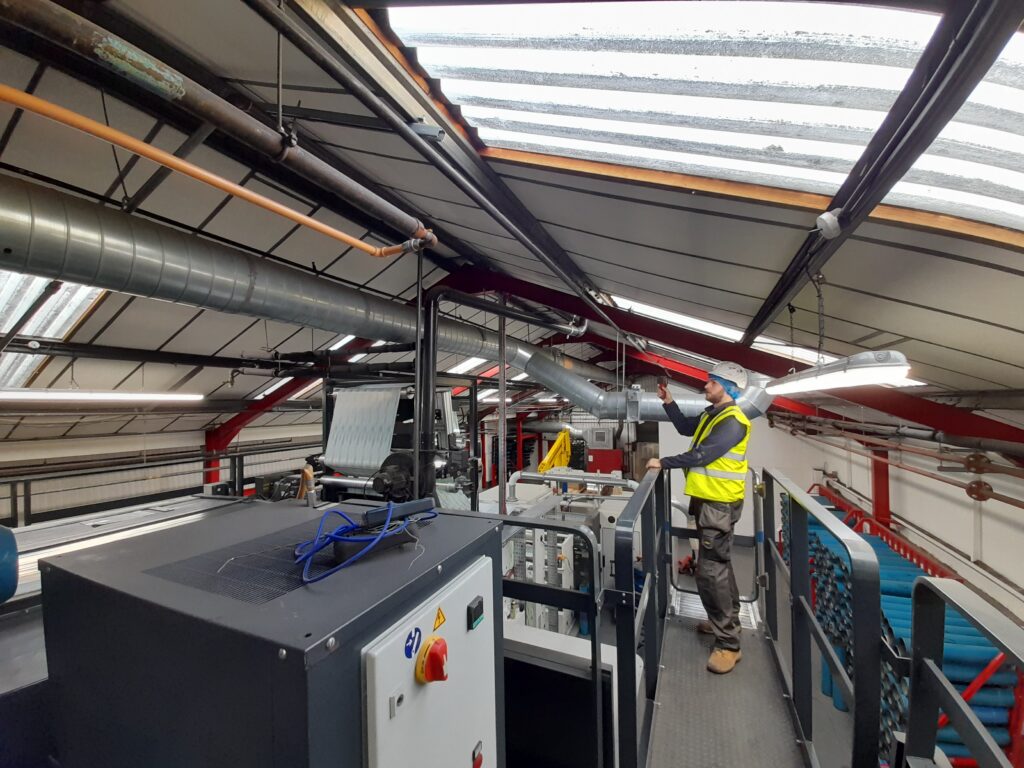
Most RTOs on site are running but running inefficiently. Burner gas input creeping up, thermal efficiency drifting below spec, solvent concentration going unchecked.
Process Energy are process detectives – piecing together evidence and measuring dryers, temperatures and airflows to analyse what is working efficiently and what is not. Process solutions offering productivity benefits and energy savings can then be presented based on real process conditions.
RTO Dampers: Keeping Your RTO Compliant
For solvent-based processes, your RTO plays a key role in controlling VOC emissions.
Under the Industrial Emissions Directive (IED), solvent concentration is limited to 20mg/C/Nm³ in the exhaust gas.
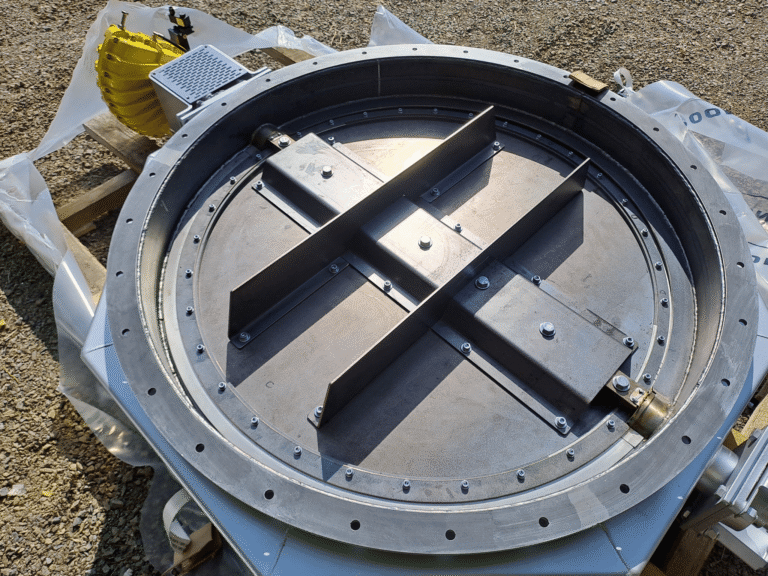
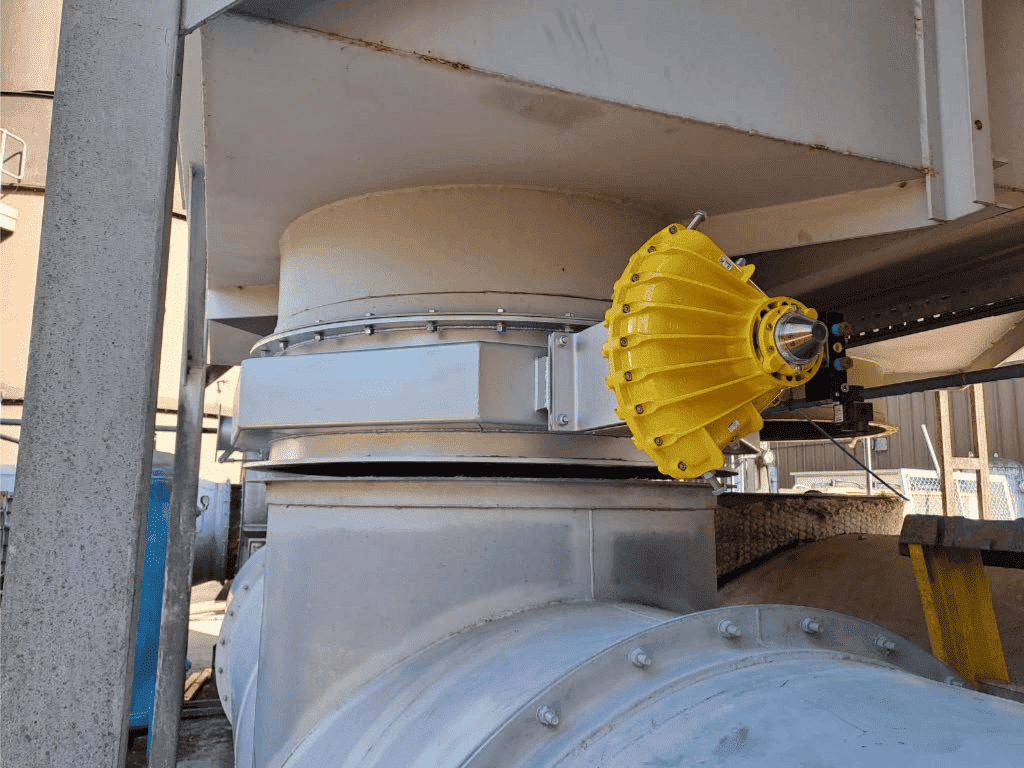
To ensure the efficient control of your RTO, main process inlet and outlet dampers are integral in ensuring solvent leakage concentrations are minimised and stay within compliant levels.
Existing RTOs may not have been designed for the current emissions regulations but upgrade options including replacing unsuitable or worn dampers, can improve airflow control, unwanted air leakage for better emissions, and reduced gas consumption.
Replacing them is a simple cost effective way to improve RTO performance without buying a new RTO. Our experts assess your existing RTO process, and identify where performance is being lost, then specify solutions to suit your process.
What One Installation Delivered
We installed a regenerative thermal oxidiser and central thermal fluid heating system for a multinational flexible packaging manufacturer.
Read the full case study.
Your Go-To Partner for RTOs
Most RTO problems aren’t the oxidiser. They’re everything around it: sizing that doesn’t match your process, insufficient solvent loads, and modifications added on as an afterthought.
Our expertise comes from viewing the whole process, from dryers, exhaust system and RTO feed. We evaluate and design the system against your process air volumes, solvent loads and production needs. We build in energy efficiency and heat recovery options in from the start, since that’s where the real savings come from. And whether it’s a full install or optimising your existing RTO unit, we manage the integration and commissioning ourselves, start to finish.
Already Have An RTO?
An RTO that is using more gas than it should does not necessarily need replacing.
We look at the whole system, including dampers, airflow, burner performance and heat recovery, to find the cause of inefficiency.
Sometimes the best solution is a targeted upgrade rather than a new oxidiser.
Uncover Your RTO Performance
Your site could be holding major savings, whether it’s optimising the equipment you have, or upgrading to something more efficient – we’re happy to offer advice with a factory visit.
Frequently Asked Questions
What is a Regenerative Thermal Oxidiser?
An RTO is a system that destroys VOCs in process air by heating it to oxidation temperature, then recovering most of that heat for the next cycle. Process Energy designs and installs RTO systems that control emissions while keeping fuel use down, specified against the actual air volume and solvent load of the site they’re going into.
How Does a Regenerative Thermal Oxidiser Work?
Solvent-laden air passes through hot ceramic media, which preheats it before it reaches the combustion chamber and the VOCs are destroyed. The clean air then heats a second media bed on its way out, so the beds alternate and the heat keeps getting reused. Process Energy builds that heat recovery into the design from the start, rather than treating it as separate from the oxidiser itself, which is a major factor in the running-cost savings.
How Do RTOs Compare to Other VOC Control Technologies on Energy Efficiency?
RTOs typically destroy over 99% of VOCs and recover most of their own heat, making them more efficient than catalytic oxidisers (lower running temperature but higher maintenance) or direct-fired oxidisers (no heat recovery, higher fuel cost).
What Determines the Right RTO for a Site, Rather Than "the Best Model"?
There’s no universal best RTO. What matters is sizing it against real air volume and solvent concentration and integrating heat recovery from the start rather than adding it later. Process Energy specifies every install from the site’s actual data, not a generic spec sheet, and manages the integration and commissioning end to end.
How Much Does It Cost to Install an RTO System?
Cost depends on air volume, solvent concentration, existing infrastructure, and any monitoring upgrades needed, so it varies site to site. Process Energy’s flexible packaging install delivered £375,000 in annual savings with a three-year payback, and a free factory visit is how we get you an equivalent figure for your own site!