

Food manufacturers are under growing pressure to reduce energy consumption, lower carbon emissions and remain competitive in an increasingly cost-conscious market. According to the UK Government’s Food Security Report, overall energy demand across the food and drink manufacturing sector has remained relatively stable over the past two decades, with natural gas supplying around 60% of energy needs and electricity accounting for around one-third. This reliance on energy-intensive processes highlights the opportunity for manufacturers to improve efficiency and reduce unnecessary energy consumption.
Rather than focusing solely on generating cleaner energy, many of the biggest carbon savings can be achieved by reducing current energy consumption. By understanding where energy is consumed, lost or underutilised across production, manufacturers can identify practical engineering improvements that deliver measurable operational and environmental benefits.
Where Food Manufacturers Can Make the Biggest Carbon Savings
While every manufacturing site is different, the most successful decarbonisation strategies rarely rely on a single technology or investment. Instead, they combine targeted process improvements that reduce energy demand and recover wasted heat to improve efficiency across an entire site. By understanding where energy is used across production, manufacturers can prioritise the changes that deliver the greatest environmental benefits and ROI.
Recover Waste Heat Instead of Losing It
Across food manufacturing, large amounts of thermal energy are unintentionally lost through exhaust gases, cooling systems and process discharge. Operations such as pasteurisation, cooking, drying, sterilisation and refrigeration all generate heat that is frequently released into the atmosphere despite still having significant value.
Waste heat recovery captures this energy and reuses it elsewhere within the manufacturing process. Depending on the application, recovered heat may be used to preheat process water, warm incoming product streams, or reduce the load placed on primary heating equipment.
One of the most common misconceptions is that reducing carbon emissions always requires installing new equipment. In reality, manufacturers often have substantial untapped energy already available within existing processes.
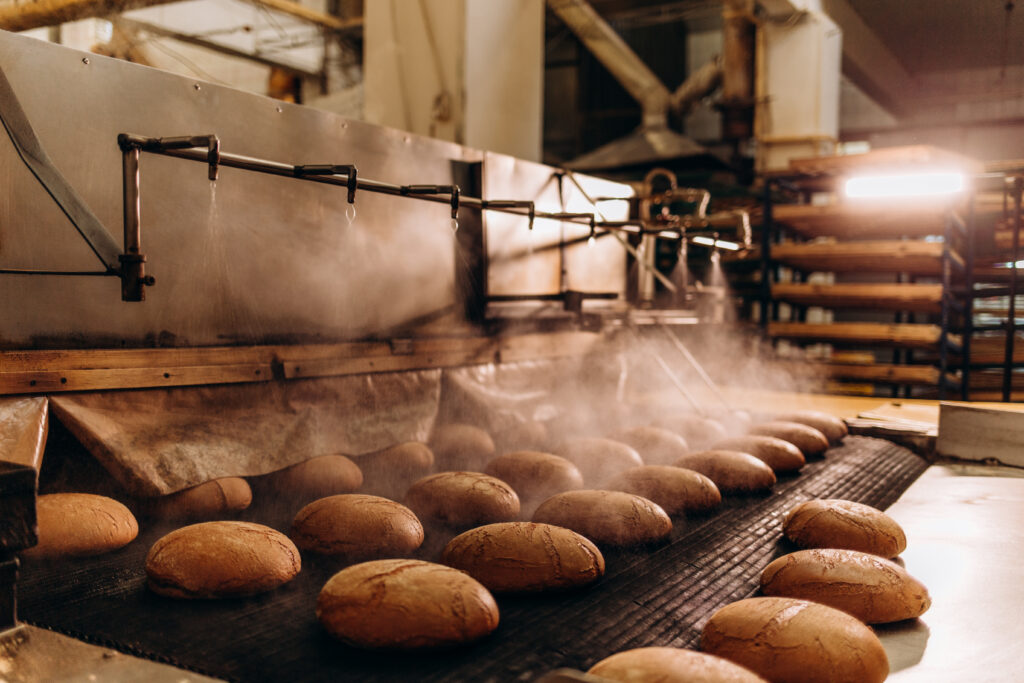
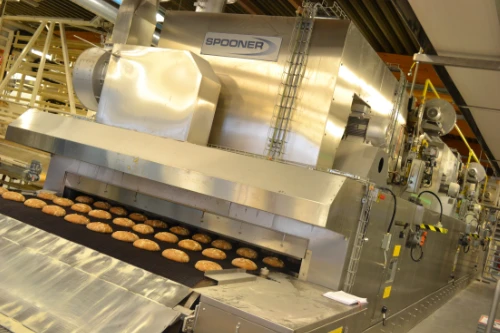
In one of Process Energy’s commercial bakery heat recovery projects, thermal energy from bread oven flue gases was recovered and reused to preheat combustion air and generate hot water elsewhere on site. The project reduced fuel consumption, recovered around 350 kWh of energy and delivered annual savings of more than £100,000, demonstrating why heat recovery is considered one of the most practical decarbonisation measures for energy-intensive manufacturing processes.
Optimise Thermal Energy Systems
Thermal energy plays a critical role in food manufacturing, making system efficiency just as important as the fuel being used. Even small energy losses can significantly increase consumption when repeated continuously across production.
Across food manufacturing, some of the biggest opportunities to improve efficiency lie within ovens, dryers, steam boilers and hot water systems. Heat losses, ineffective condensate recovery and equipment operating below its optimum can all increase energy demand. Addressing these issues often uncovers opportunities to recover and reuse energy already available within the process.
For example, after steam has been used for cooking or pasteurisation, the resulting hot condensate can be returned to the boiler system rather than being lost. Reusing this thermal energy reduces fuel consumption, water use and the need for water treatment chemicals.
Major food manufacturing equipment is often expected to remain in service for decades, making replacement a significant investment. This is particularly true in bakery manufacturing, where ovens frequently operate around the clock. Instead of replacing equipment that may still have years of operational life, regular reviews and optimisation help keep thermal systems performing efficiently, reducing energy consumption while maximising the value of existing assets.
Exploring Electric Solutions for Lower-Carbon Manufacturing
Electrification is becoming an increasingly important part of industrial decarbonisation, but it is not a one-size-fits-all solution. Many food manufacturing processes still rely on high-temperature thermal energy that remains difficult to electrify, while higher electricity costs can make widespread adoption a commercial challenge for some sectors, including bakery manufacturing.
Lower-temperature applications, such as process hot water for cleaning, ingredient preparation and washdown operations, may be better suited to technologies like industrial heat pumps or electric process heating. Improving process efficiency first reduces overall energy demand, helping manufacturers maximise the benefits of future electrification while keeping operating costs under control.
Use Process Data to Identify Hidden Energy Losses
Many food manufacturers already collect operational data, but it isn’t always used to understand how energy moves through production. Reviewing process performance can highlight opportunities to reduce energy demand, such as steam systems operating beyond production requirements, ovens and dryers running longer than required, or heat that could be recovered and reused elsewhere in the process.
On their own, these issues may seem insignificant, but when repeated every day across multiple production lines, they can have a considerable impact on annual energy consumption. Identifying where these losses occur helps manufacturers focus investment on the improvements that will deliver the greatest operational efficiencies and carbon reductions.
Turning Decarbonisation into Action
The biggest opportunities to reduce energy use and carbon emissions often begin with understanding how energy is used across a manufacturing process. By identifying where energy can be recovered, reduced or used more efficiently, manufacturers can focus investment on the improvements that will deliver the greatest long-term value.
Whether you’re looking to recover wasted heat, improve process efficiency or develop a wider decarbonisation strategy, Process Energy can help identify practical engineering solutions tailored to your site. Get in touch with our team to understand where your biggest opportunities lie.