

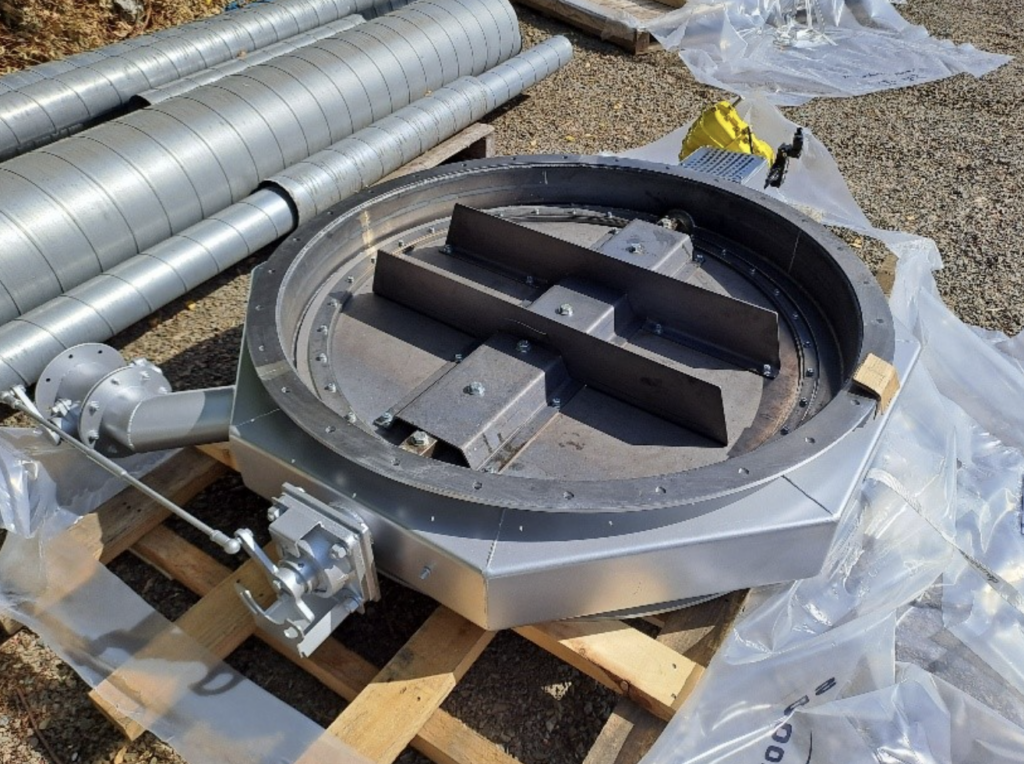
A regenerative thermal oxidiser (RTO) is designed to control volatile organic compound (VOC) emissions from industrial processes. Over time, wear and leakage can affect how effectively the system operates.
One area that is often overlooked is the performance of process dampers.
Damper performance affects airflow, emissions performance and the overall operation of your regenerative thermal oxidiser. In some cases, replacing worn dampers could improve performance without replacing the entire RTO.
What Do Process Dampers Do in Regenerative Thermal Oxidisers?
Think of dampers as the traffic controllers of an RTO.
A regenerative thermal oxidiser uses ceramic heat-transfer media to recover heat from treated process air. The airflow is switched between different chambers or beds during operation, allowing heat to be transferred back into the incoming process air. EPA guidance notes that RTOs can achieve typical VOC destruction efficiencies of around 95–99%, depending on the system and process conditions.
Process Dampers control where that air goes.
They open and close to direct process air through the correct chamber, control the flow of treated air and help isolate different sections of the system during each cycle.
For that to work properly, the dampers need to operate reliably and seal effectively, directly affecting performance and emissions.
What Happens When RTO Dampers Deteriorate?
Dampers are working in a demanding environment, so wear, leakage and mechanical problems can develop over time.
A damper that does not close or seal properly can allow air to take a route it shouldn’t. That can affect the balance of the RTO and make the system work harder than necessary.
The potential knock-on effects include:
- Increased air leakage
- Poorer airflow control
- Difficulty maintaining operating conditions
- Reduced VOC destruction performance
EPA research has specifically identified valve leakage as a factor that can reduce RTO destruction efficiency and increase emissions.
An RTO can still be running but not necessarily running efficiently.
The Impact on Compliance
For manufacturers utilising solvents, RTO performance is also closely linked to emissions compliance. The Industrial Emissions Directive (IED) sets limits on solvent emissions for specific activities, including a 20 mg/C/Nm³ limit for processes using more than 5 tonnes of solvent per year.
The IED also promotes Best Available Techniques (BAT), covering not just pollution-control technology but how installations are designed, maintained, and operated.
That makes maintaining the equipment around your regenerative thermal oxidiser important too.
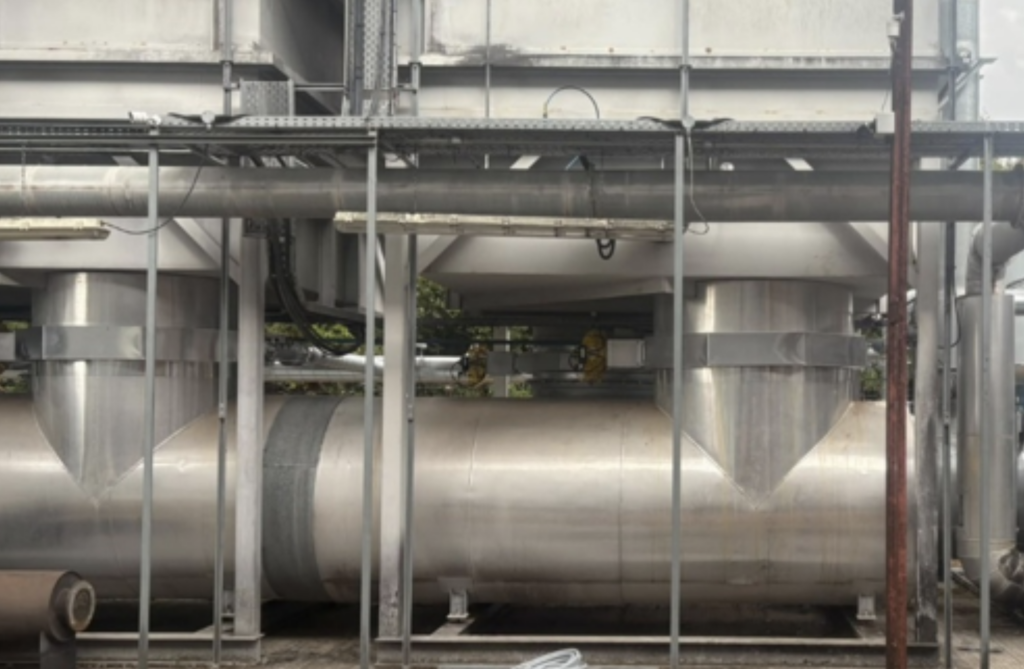
Is RTO Replacement Necessary to Meet Emissions Requirements?
Not necessarily.
If gas consumption has increased or RTO emissions performance has changed, replacing the whole system may not be the first answer.
A proper assessment should start with the dampers, checking for worn seals, leakage and problems with airflow. Engineers can then investigate other factors affecting performance, including burner operation, ceramic media, controls and heat recovery.
If worn or leaking dampers are contributing to the problem, targeted damper replacement could be a more appropriate solution.
At Process Energy, we assess existing regenerative thermal oxidiser systems to identify where performance is being lost, then we design and install bespoke heat recovery and decarbonisation plans.
Project Highlight: Emission Reduction for Improved Compliance
A 20-year-old RTO was performing exactly as designed. The problem was the target: its 50 mg/Nm³ design limit no longer met the new legal limit of 20 mg/Nm³, with a final compliance deadline of December 2026.
Our engineers started by finding the root cause. The damper seals were worn, and the blades had thermally distorted after years of use. New seals improved emissions, but not enough, which showed the dampers themselves needed to change.
Process Energy specified a more robust solution: twin blade dampers with a purge air system that vents the space between the blades. They were designed and manufactured in the UK, then hot tested under process conditions and pressure tested for leakage.
The full project was delivered during a two-week shutdown and encompassed:
- Damper replacement
- Position transducers replaced and rewired
- A complete purge fan system installed
- RTO and burners fully serviced
After a few weeks to bed in, fresh testing showed final emissions well below 10 mg/Nm³, comfortably inside the new limit.
The project combined detailed fault diagnosis with a tested, targeted solution. By identifying the cause of the emissions issue, validating the replacement dampers before delivery and coordinating the installation within a two-week shutdown, our engineers helped the client achieve emissions well below the required limit without replacing the entire RTO.
Maintain Your RTO's Emissions Performance
Your RTO does not have to be replaced simply because performance has declined.
The right investigation can identify whether the issue is with the dampers, airflow, heat recovery or another part of the system.
Process Energy can assess your existing RTO, identify opportunities to improve performance and specify damper replacements where required.
Book your FREE factory visit to find out what could be holding your RTO back.